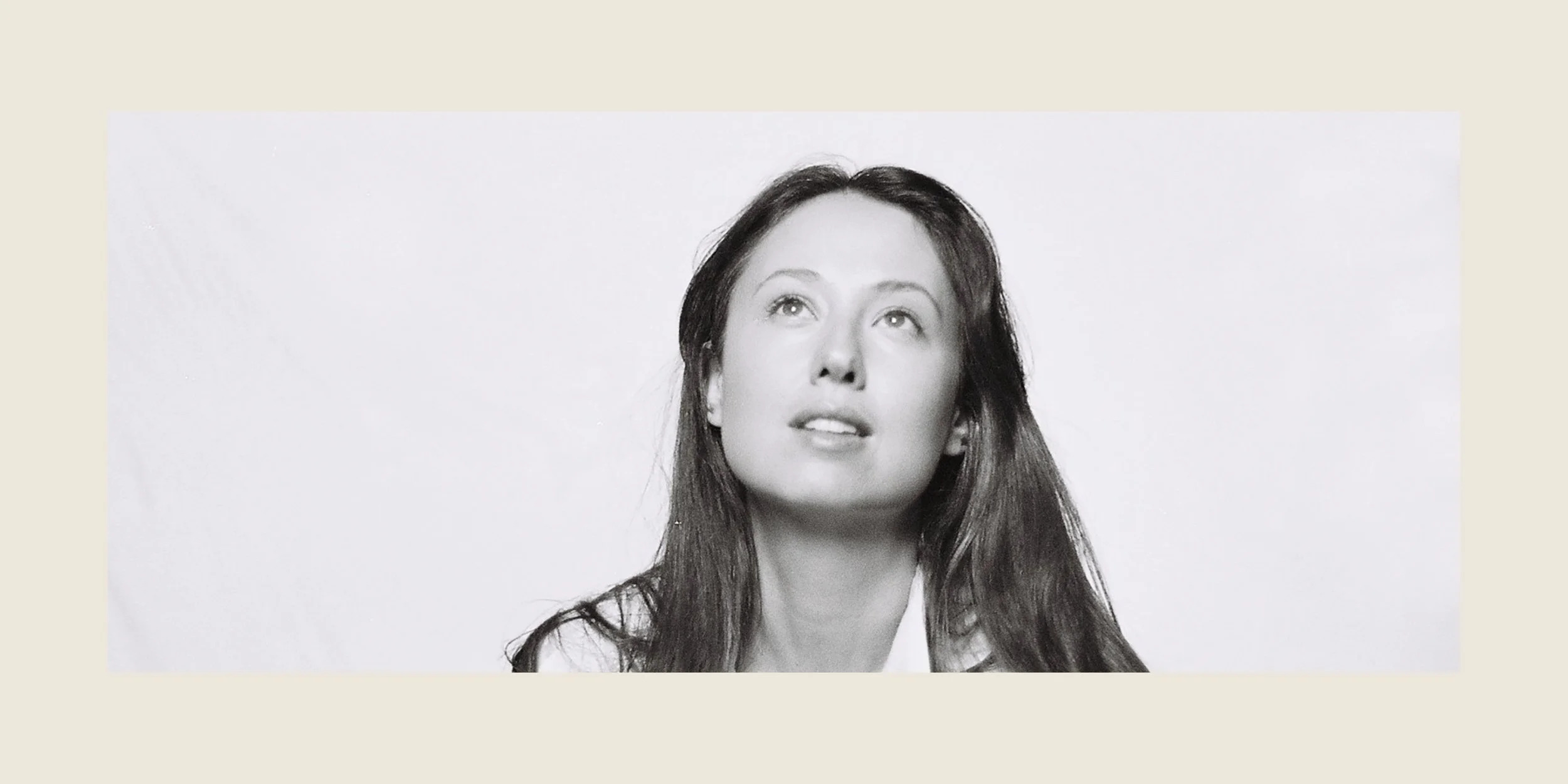
The Music of Motherhood
A Research and Development Project by the composer and singer-songwriter Sasha Siem.

A research and development project exploring how the way mothers speak can become musical material. It looks at things like interruption, repetition, exaggeration, rhythm, and the subtle rise and fall of tone, pauses and revisions in everyday maternal speech. The project explores both the stories mothers tell and the way they tell them, asking how music might grow from real vocal expression rather than being shaped by traditional compositional forms. It also investigates how instruments and voice can interact in detailed and sensitive ways that reflect the attunement between a mother and her child.
The Music of Motherhood
Research Approach:
• Small group workshops with mothers (75 participants across three cohorts)
• Exploratory vocal sessions examining speech patterns and relational dynamics
• Development sessions with instrumentalists focusing on voice–instrument interaction
• Text refinement with editorial input
• Mentoring checkpoints throughout the R&D period

Who is Involved:
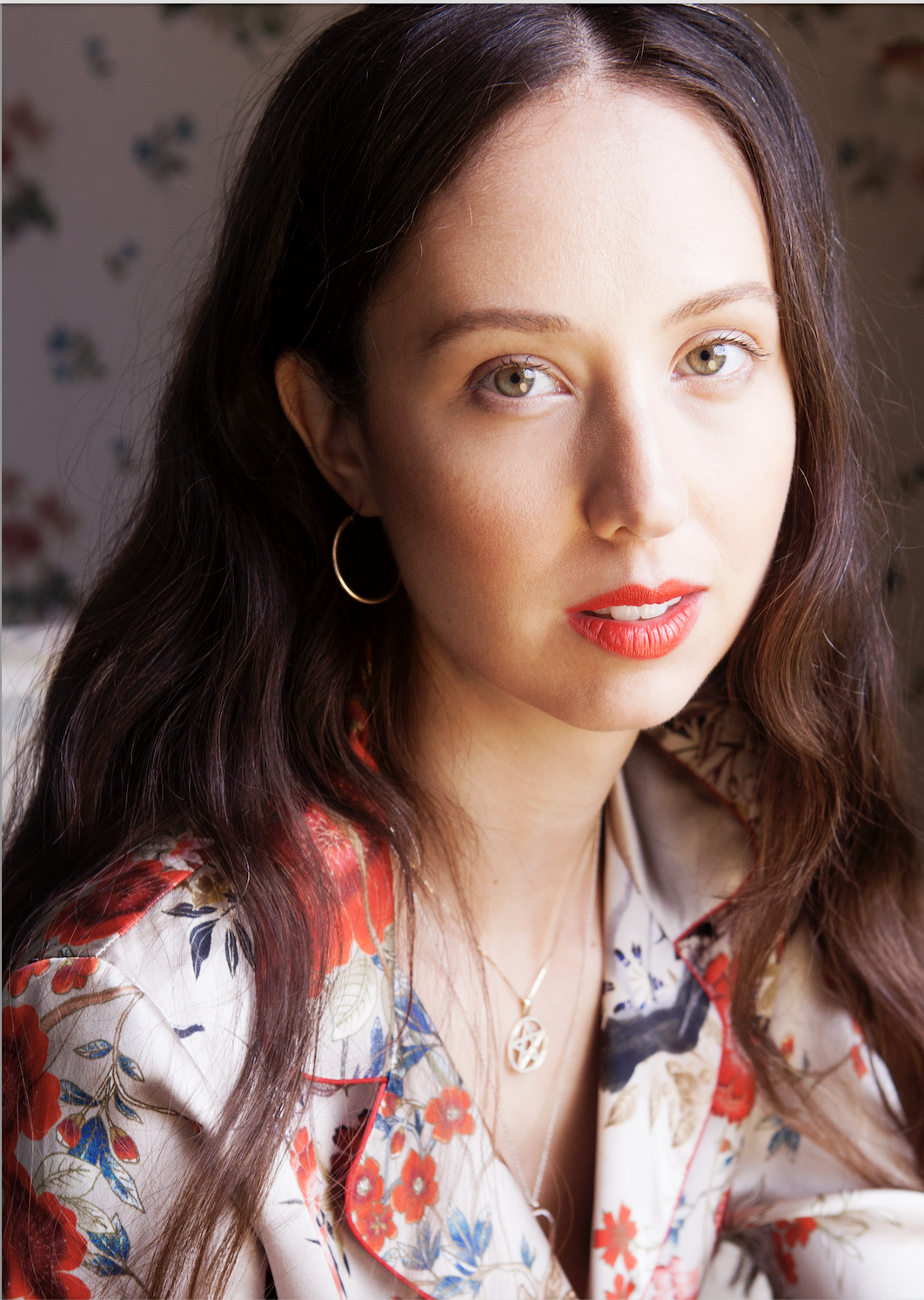
Sasha Siem is a British–Norwegian composer, vocalist, and writer based in the UK. She studied music and poetry at the University of Cambridge and Harvard University (2002–2010), working with mentors including Robin Holloway, Julian Anderson, Oliver Knussen, Jonathan Harvey, Jorie Graham, and Anne Carson.
Following her studies, she received commissions from Aldeburgh Festival, Rambert, the London Symphony Orchestra, the London Philharmonic Orchestra, Opera North, Neue Vocalsolisten Stuttgart, Le NEM (Montreal), and the International Contemporary Ensemble. In 2010 she received a British Composer Award for Psalm 140, commissioned by Gonville & Caius Choir to mark the University of Cambridge’s 800th anniversary.
Her debut album Most of the Boys (voice and string quartet), produced by Valgeir Sigurðsson, premiered at the Royal Opera House in 2013. Subsequent works include BirdBurning (2016), wHOLeY (2020, premiered at Sadler’s Wells), and EAR.th (2022). Her music has been performed at Kings Place, the Barbican, Cheltenham Festival, Oslo Spektrum, and (Le) Poisson Rouge in New York. Her LSO commission appears on The Panufnik Legacies Vol. 3 (Hyperion, 2020).
Alongside her compositional and recording work, Siem has developed participatory courses and workshops for people without prior musical training, exploring voice as creative and relational practice. She is a mother of two and a stepmother of four and lives in London.
I have selected these previous works as they contain the early seeds of the interests that inform this project. The proposed Research and Development period marks a substantial shift in direction, reorienting those concerns toward participatory research and maternal vocal experience. Nevertheless, they offer a sense of the technical and aesthetic foundations from which this new phase emerges
Past Works
Demonstrates my use of contemporary vocal writing exploring intimacy, restraint, and the expressive boundary between speech and melody.
Explores narrative lyricism reflecting my ongoing interest in voice as both storytelling medium.
Sounds & Instrumental Texture
A choral work to show seeds of experimentation with structure and form and linguistic rhythm
An orchestral work focused on timbral detail and evolving instrumental colour, demonstrating an approach to structural development through texture.
A chamber work centred on solo instrumental voice and nuanced timbral interaction, aligning with the project’s focus on detailed voice–instrument relationships.
Collaborators
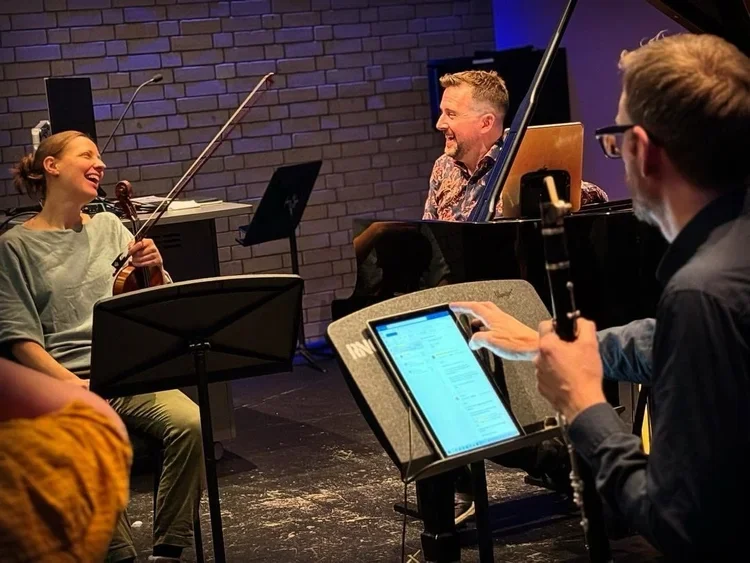
Riot Ensemble is known for its commitment to contemporary composition and for performing and developing new music at the highest artistic level. Its instrumentalists are recognised for their fluency in extended techniques, close composer collaboration, and rigorous workshop processes. The ensemble’s practice provides an ideal context for this project’s exploration of detailed timbral interaction between voice and instruments within an experimental yet structurally disciplined framework.
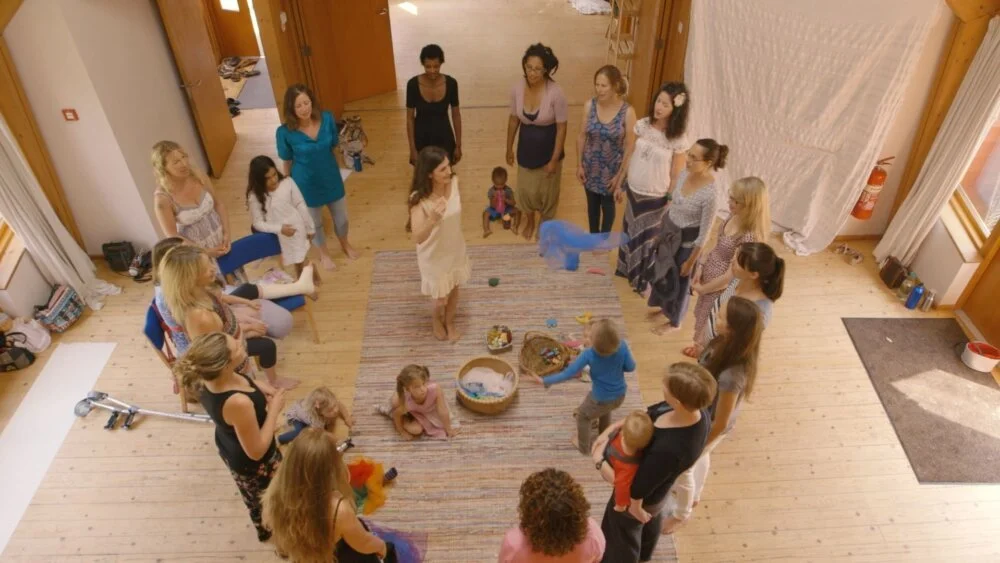
Mothers - participants will be recruited through London-based community networks, including mother-and-baby groups and peer-led groups such as the PANDAS Foundation, primary schools and nurseries, and postnatal support networks such as the National Childbirth Trust (NCT). I intend to approach borough Family Hubs and Children’s Centres through local authority networks (for example within the London Borough of Hammersmith and Fulham and neighbouring boroughs), alongside independent community hubs and arts organisations working with parents such as local library-based family services. Recruitment will prioritise diversity of background, age, family structure, and experience, including mothers at different stages of matrescence.
Mentors
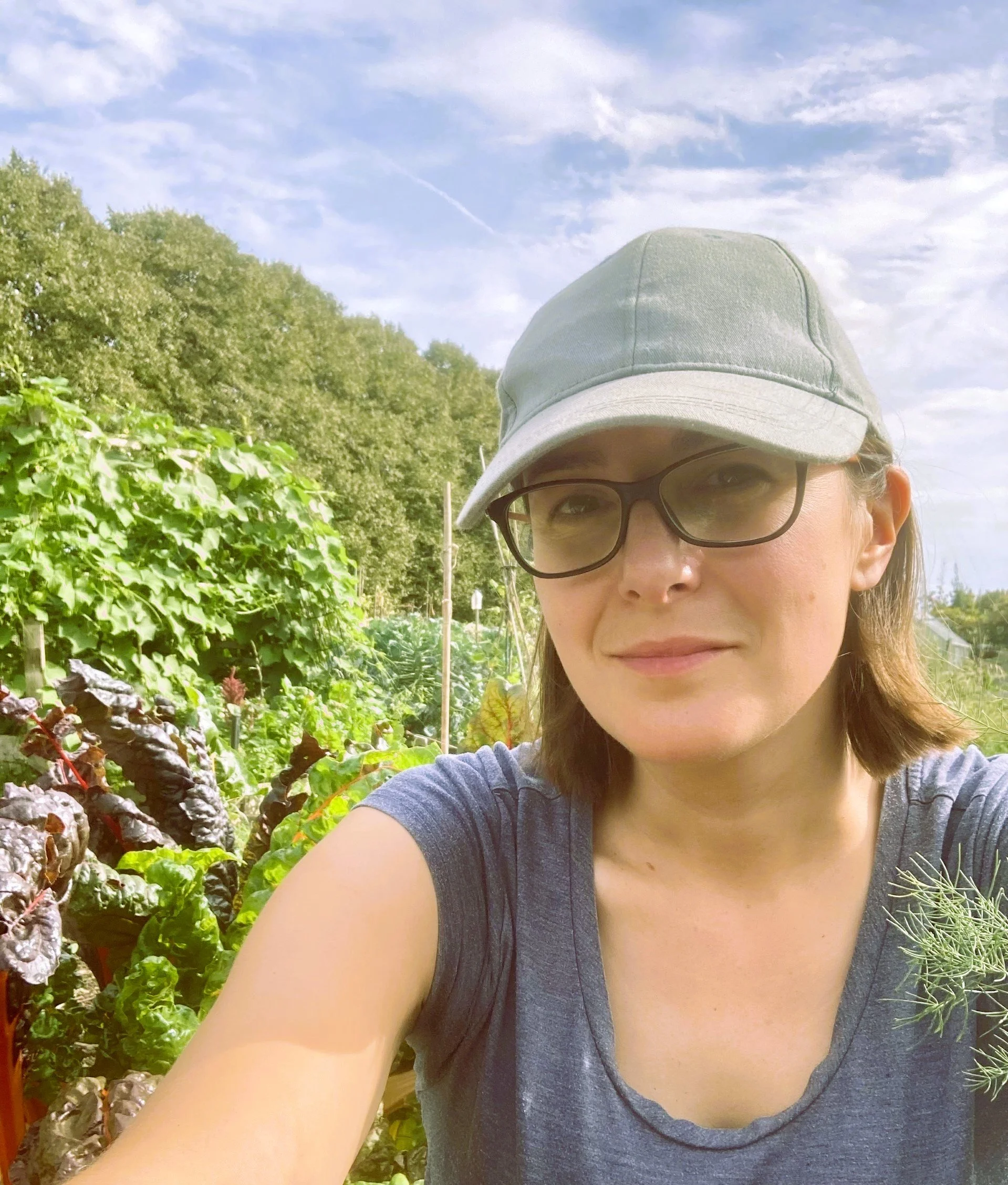
Sarah Rigby is an experienced editor and critic whose work brings analytical precision and structural clarity to textual work. Her expertise in shaping language without diluting its depth is central to the development of new lyrics within this project. She provides an external critical perspective, ensuring that the evolving textual material remains rigorous, coherent, and responsive to the musical research. https://eandtbooks.com/authors/rigby
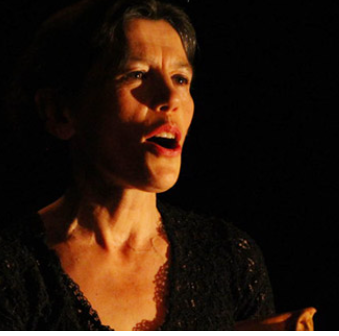
Helen Chadwick is known for her work in vocal experimentation, expanding the expressive possibilities of the human voice beyond conventional technique. Her practice often engages participants without formal musical training, foregrounding lived experience. I have chosen her as a point of reference for this project because her approach demonstrates how exploratory vocal work with community participants can generate artistically rigorous and socially resonant outcomes. https://www.helenchadwick.com
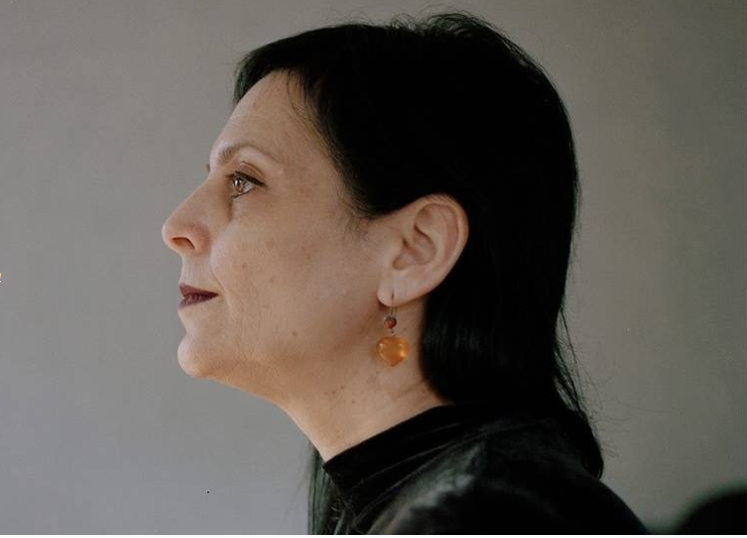
Chaya Czernowin’s practice is distinguished by its acute sensitivity to timbre and the intricate internal life of sound. Her music treats sonic detail not as ornament but as architecture, allowing fragile or quiet materials to generate complex structural depth. Her work offers a model for the level of timbral nuance possible between instruments and voice, which is central to this project’s exploration of maternal vocal texture as compositional substance.
This R&D period lays the groundwork for new large-scale compositional output beginning with a song-cycle about Matrescence.